 A Guide to Seasonal Shedding and Maintenance
To properly maintain a German Shepherd Dog (GSD), one must first understand the unique physical characteristics of the breed’s dual-layer coat. Rather than viewing seasonal hair loss simply as an inconvenience, owners should approach coat care as a critical aspect of physical health, skin integrity, and temperature regulation.
Ultimately, proper coat care directly improves skin airflow, prevents moisture buildup, and supports overall well-being. This is strongly emphasized in preventative care guidelines from veterinary institutions like VCA Animal Hospitals. Below is an educational overview of coat dynamics, specialized equipment, and maintenance protocols.
Anatomy of the Double Coat
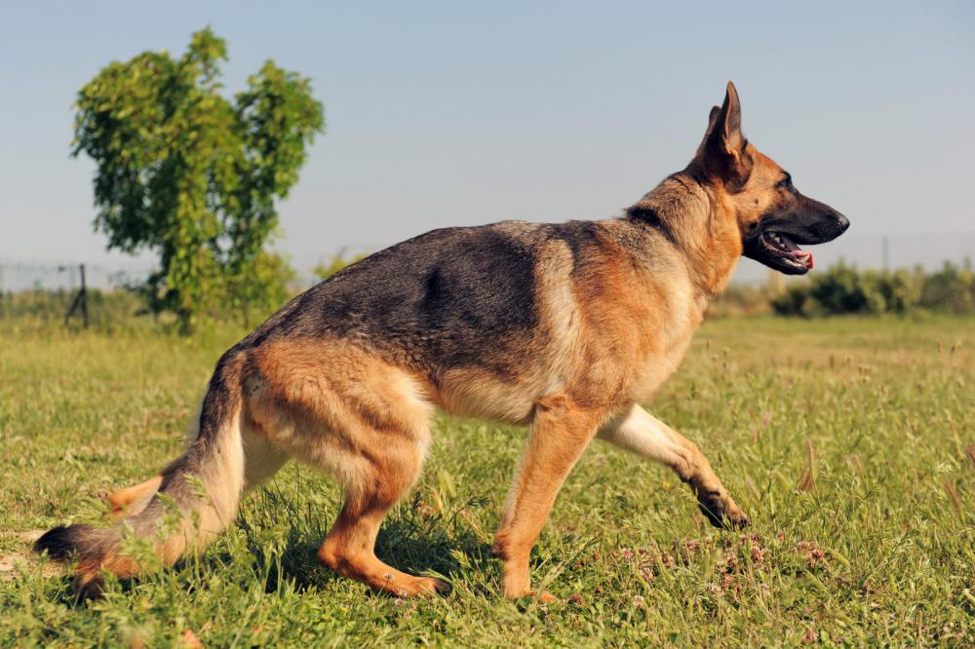
The German Shepherd jacket is composed of two distinct layers, each serving a specific protective purpose:
-
The Primary (Guard) Coat: Composed of coarse, straight guard hairs, this outer protective shield acts as a physical barrier against moisture, dirt, and sun exposure.
-
The Secondary (Undercoat) Layer: Conversely, the inner layer consists of soft, dense, crimped fibers. This woolly insulating layer traps air close to the skin, creating an essential temperature barrier against both extreme heat and cold.
Bi-annually—typically during spring and autumn—changes in daylight hours and weather trigger a natural shedding cycle. Consequently, the secondary layer releases almost all at once—a natural process commonly referred to as blowing coat or heavy seasonal shedding.
Tool Selection and Application
Effective coat management requires specialized equipment designed to target loose inner fur without damaging primary guard hairs or scraping sensitive skin.
-
Undercoat Rakes: Engineered with smooth, staggered teeth, these specialized rakes reach beneath the topcoat to lift dead, woolly fur directly from the root.
-
Slicker Brushes: Designed with fine wire bristles, slicker brushes smooth topcoat alignment while gently detangling high-friction zones such as the back legs, chest, and behind the ears.
-
High-Velocity Force Dryers: Furthermore, force dryers serve as an indispensable tool in modern dog grooming. Utilizing strong ambient air rather than heat, these units separate individual hair shafts at the skin level to blow out trapped fur and eliminate hidden dampness.
Grooming Note: Shaving a double-coated breed should be strictly avoided. Removing the primary layer disrupts natural temperature control, increases the risk of sunburn, and frequently leads to patchy coat regrowth, as documented in official breed standards by the American Kennel Club (AKC).
Skin Health and Bathing Frequency
Over-bathing alters the skin’s natural pH and strips away essential protective oils. As a result, excessive washing can cause dry, flaky skin and secondary irritations. Clinical resources from the Purdue University Veterinary Teaching Hospital highlight the necessity of preserving these protective oils through a regulated bathing routine.
| Maintenance Task | Standard Frequency | Routine Care Protocol |
| Line-Brushing | 2–3 times weekly (Daily during heavy shedding) | Part the hair in sections to ensure the brush reaches down near the skin |
| Hygiene Bathing | Every 6 to 8 weeks | Use gentle, soap-free, moisturizing oatmeal shampoos |
| Ear & Nail Care | Every 2 to 3 weeks | Inspect ear canals for buildup and check nail length |
Specifically, during peak shedding cycles, pair a moisturizing bath with forced-air drying to loosen persistent undercoat mats before brushing by hand.
Preventative Ear and Nail Care
In addition to coat brushing, complete maintenance must include routine care of the ears and feet:
-
Ear Cleaning: Because the upright ears of a German Shepherd easily collect environmental dust and dirt, inspect them weekly for redness or wax buildup. Clean gently using a soft pad and a mild, ear-safe cleaning solution.
-
Nail Trimming: Meanwhile, overgrown nails force the foot to spread unnaturally, shifting weight backward and placing structural stress on joint alignment. Therefore, trim or grind nails until they clear the floor when your dog is standing normally.
Nutritional Foundations for Skin and Coat Health
Ultimately, optimal coat density and hair strength rely heavily on internal nutrition. According to health guidelines from the American Veterinary Medical Association (AVMA), diets rich in high-quality animal proteins, zinc, and essential omega-3 fatty acids (like fish oil) strengthen hair roots and reduce dry-skin shedding.
At Roche German Shepherds, structural health, genetic stability, and overall well-being form the cornerstone of our breeding philosophy. To learn more about our health standards or to inquire about our available working-line puppies, please contact our team today.
continue reading