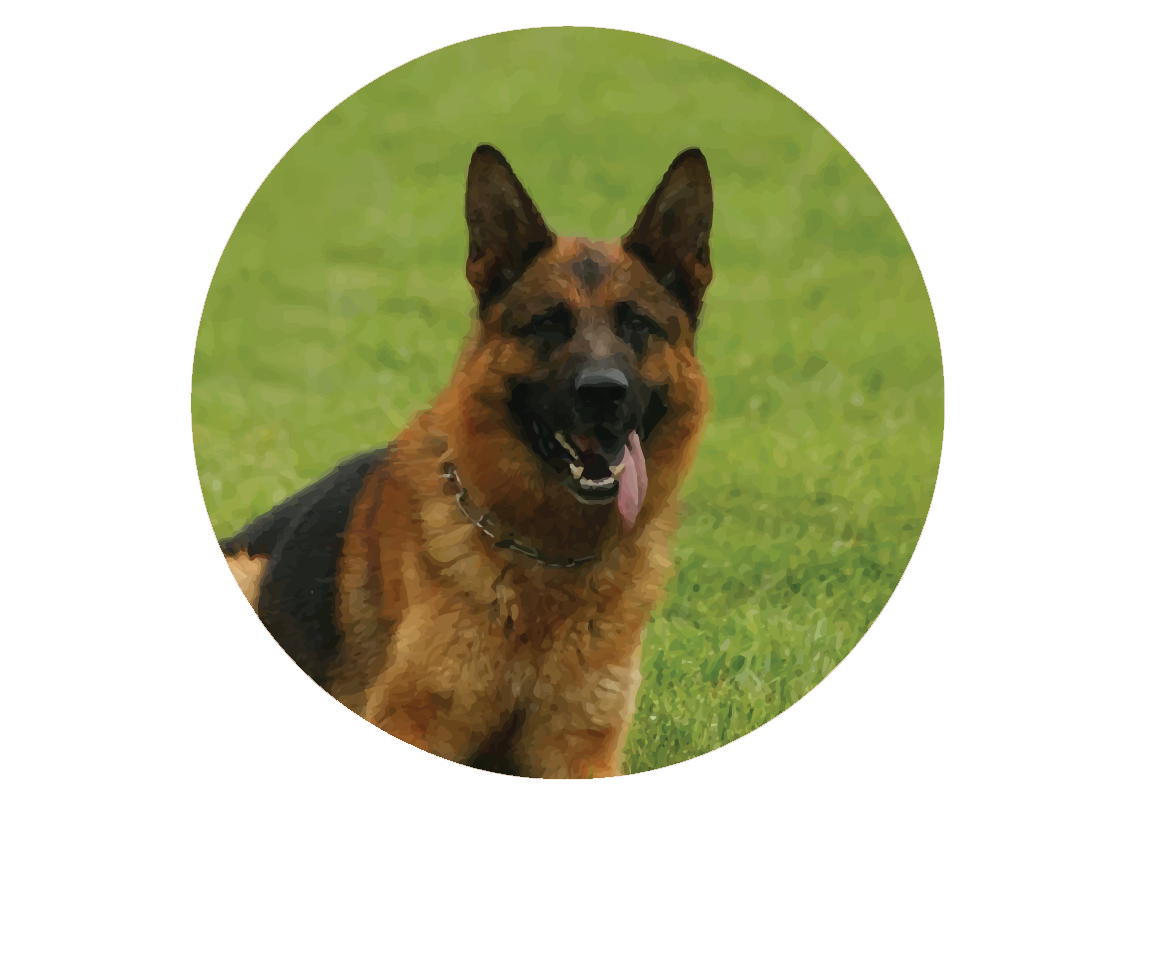
 People use the phrase well-bred German Shepherds constantly, but few stop to explain what it actually means. In ethical breeding, well-bred is not praise and it is not branding. It is a standard that reflects planning, restraint, and long-term responsibility. From a breeder’s point of view, a well-bred German Shepherd exists because someone made careful decisions long before the litter was born.
GSD Breeding With Purpose, Not Popularity
Responsible German Shepherd breeding begins with intention. Before a pairing is planned, an ethical GSD breeder should be able to explain why that combination matters for the breed as a whole. Demand alone is never a sufficient reason. The goal is to preserve stable temperament, functional structure, and health while honoring the German Shepherd’s working origins.
Customer expectations and trends complicate this work. Size exaggeration, extreme angulation, and novelty colors may attract attention, but they often undermine function. A well-bred German Shepherd is not designed to impress on social media. It is bred to live comfortably, move efficiently, and remain sound over time.
Health Testing Is a Baseline Expectation
Health testing is not an added feature of good breeding; it is the minimum requirement. German Shepherds have known genetic and orthopedic vulnerabilities, which makes objective screening essential. This includes hip and elbow evaluations through organizations such as the Orthopedic Foundation for Animals or comparable international systems, along with appropriate genetic testing.
Both parents must be evaluated, and results should be available without hesitation. Terms like “vet checked” sound reassuring but lack the specificity and consistency that standardized testing provides. A well-bred German Shepherd begins with adults whose health risks are documented, understood, and openly shared.
Temperament Determines Quality of Life
Temperament is often discussed casually, even though it shapes nearly every aspect of a dog’s life. Stable nerves, environmental confidence, and predictable behavior matter more than appearance or pedigree alone. A sound German Shepherd should think clearly under stress and recover quickly when challenged.
True working ability includes judgment and restraint, not just intensity. High drive without balance can create difficulties that follow a dog for life, especially in family or community settings. Ethical breeders, like Roche’s, evaluate temperament through observation, structured assessment, and daily exposure to real environments. Assumptions based solely on lineage are not enough.
GSD Body Structure Supports Longevity
Structure exists for a reason. A German Shepherd moves with balance and efficiency, without strain or exaggerated motion. Correct structure supports joint health, stamina, and long-term soundness. Extreme traits, whether overly heavy frames or dramatic angulation, may be visually striking, but they often compromise function. Responsible breeders aim for moderation, prioritizing movement and durability over extremes.
Ethics Extend Beyond the Breeding Pair
Excellent, well-bred German Shepherds come from ethical systems, not isolated decisions. Responsible breeders do not rush this process. Puppies are placed when they are developmentally ready, not when it is convenient. This includes:
- Breeding male and female adults at appropriate ages
- Limiting the number of litters and ensuring breeding dogs live full, enriched lives beyond reproduction
- Puppy development with early neurological stimulation, socialization, and environmental enrichment
Transparency and Accountability to Buyers
Ethical breeding requires openness. Clear contracts, written health guarantees, and ongoing breeder support are standard, not optional. Responsible breeders speak honestly about both strengths and limitations and remain accountable for every puppy they produce. They also screen buyers carefully. Puppies are matched to homes based on temperament and lifestyle rather than preference alone. Asking difficult questions is part of responsible placement, not an inconvenience.
What “Well-Bred” Looks Like Years Later
The real measure of good breeding appears over time. Well-bred German Shepherds mature into a stable adults, remain physically sound longer, and adapt to change without chronic stress. Predictability is often overlooked, yet it is one of the strongest indicators of quality. When health, temperament, and structure align consistently, the result is a dog that fits its role without constant management.
A German Shepherd is not defined by trends, titles, or marketing language. It is the result of ethical commitment, transparency, and respect for the breed’s purpose. From a breeder’s perspective, well-bred is not a label applied at eight weeks. It is a responsibility carried for the lifetime of every dog produced.
Works Cited
Orthopedic Foundation for Animals. OFA Database and Health Testing Guidelines, www.ofa.org
continue reading