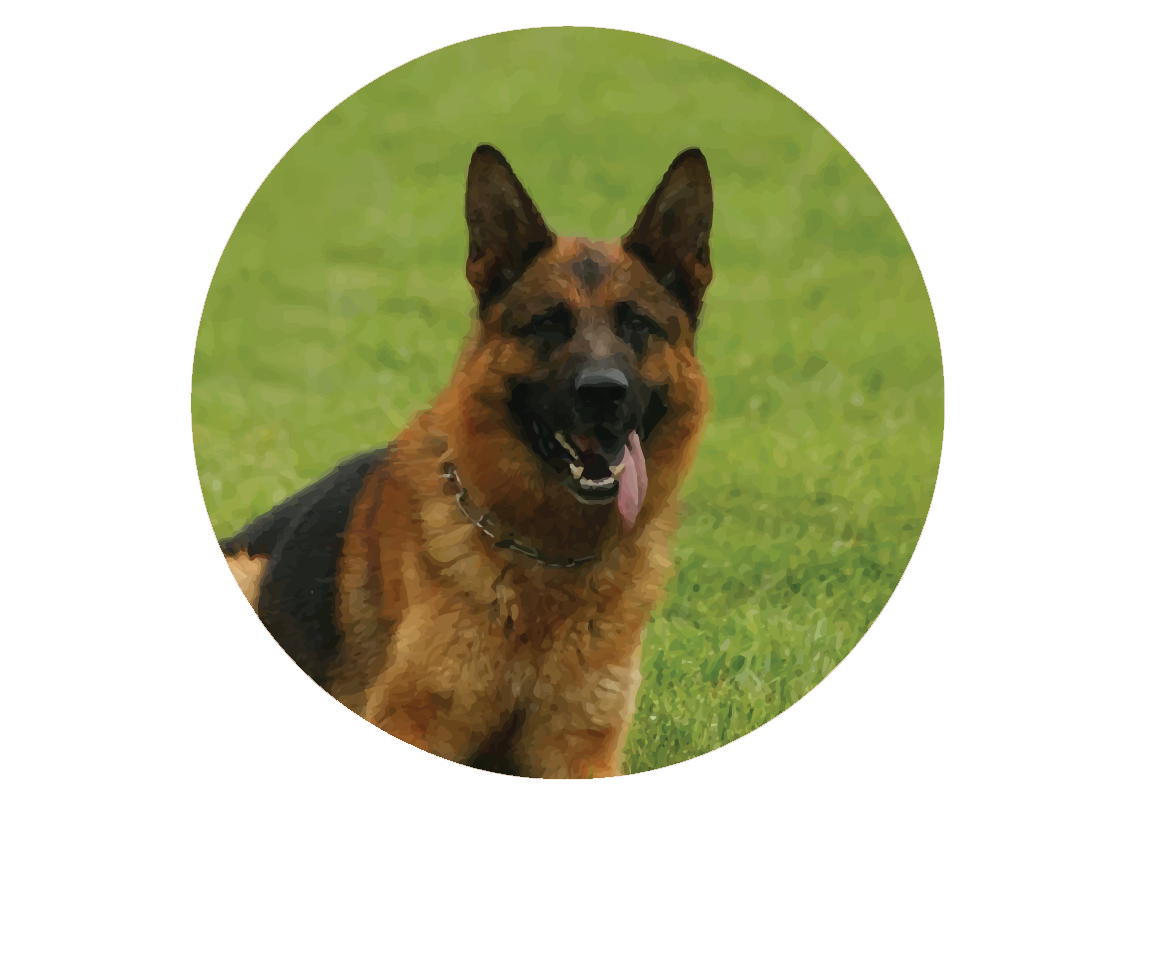
 German Shepherds are often labeled as aggressive dogs. This belief is common, but it is also deeply misleading. For many families researching the breed, fear becomes the deciding factor before facts ever enter the conversation. The truth is far more nuanced. German Shepherds are not born aggressive. When aggression does appear, it almost always has identifiable causes rooted in genetics, development, environment, or human handling. Understanding those causes matters. It protects families, improves outcomes for dogs, and prevents unfair blame placed on the breed itself.
What German Shepherd Aggression Really Means
Aggression is not the same as alertness, protectiveness, or reactivity. True aggression refers to repeated, uncontrolled behavior intended to harm, without clear provocation or recovery. Many behaviors labeled as aggression are actually fear-based responses, frustration, or poor impulse control.
German Shepherds are naturally vigilant dogs. They notice changes in their environment quickly. Their posture, eye contact, and bark can appear intense, especially compared to softer breeds. That intensity is often misread. A dog that is cautious or vocal is not automatically dangerous. Protective instincts are also frequently misunderstood. A dog that positions itself between its family and a stranger may be showing confidence and discernment, not aggression.
The Role of Genetics
Genetics influence temperament, but they do not determine destiny. Traits such as nerve strength, stress tolerance, and confidence have heritable components. Ethical German Shepherd breeders select for stable temperaments, not sharp or reactive ones. Problems arise when dogs are bred without regard for behavior.
Backyard breeding, breeding for extremes, or prioritizing appearance over stability increases the risk of anxiety and reactivity. However, even poorly bred dogs do not become aggressive automatically. Genetics create a starting point, not an outcome. Responsible breeding lowers risk. It does not guarantee perfection, but it gives families a safer foundation.
The Critical Puppy Development Window
The most important period in a German Shepherd’s life occurs early. Between roughly three and sixteen weeks of age, puppies learn how to interpret the world. During this window, positive exposure to people, sounds, surfaces, and environments builds confidence. Many aggression issues begin with well-meaning mistakes.
Puppies kept isolated for too long may grow fearful. Puppies forced into overwhelming situations may learn that stress is unavoidable. Both paths can lead to reactivity later in life. Socialization does not mean flooding a puppy with experiences. It means controlled, positive exposure that allows the dog to recover and learn.
DEBUNKED: Common German Shepherd Aggression Myths
Myths |
The Facts |
|---|---|
| German Shepherds are naturally aggressive. | They are naturally alert and discerning, not aggressive. |
| Protection training makes dogs dangerous. | Proper protection training emphasizes control, obedience, and stability. |
| German Shepherds need dominance to behave. | They respond best to structure, clarity, and consistency. |
| Barking equals aggression. | Barking is communication, not intent. |
| Only bad owners have reactive dogs. | Many owners are misinformed, not negligent. |
Training and Human Influence
Training plays a major role in behavior outcomes. Inconsistent rules create confusion. Punishment-based methods increase fear and suppress warning signals. When dogs are corrected without understanding, stress builds.
German Shepherds are intelligent problem-solvers. They need engagement, not intimidation. Clear boundaries, predictable routines, and mentally challenging work help them thrive. Many behavior issues labeled as aggression are actually frustration caused by unmet mental and physical needs.
Lifestyle and Environment
Environment reveals weaknesses. It rarely creates them on its own. Dogs that lack exercise, enrichment, or stability often struggle. Adolescence, which typically occurs between six and eighteen months, can temporarily worsen behavior. This phase is normal but often misunderstood. A German Shepherd without a job will find one. That job may not be desirable.
When Aggression Is a Real Concern
Some behaviors require professional help. Escalating fear responses, intense resource guarding, or a bite history should not be ignored. Early intervention is effective. Waiting often makes the problem harder to resolve. Seeking help is responsible, not shameful. German Shepherd aggression is not a breed trait.
It is a signal. Genetics, early development, training, and environment all contribute to behavior. When these factors are handled responsibly, German Shepherds are stable, loyal, and deeply bonded family companions. Understanding the truth protects both dogs and the people who love them.
Works Cited
American Kennel Club. German Shepherd Dog Breed Standard. AKC, www.akc.org
Karen L. Manual of Clinical Behavioral Medicine for Dogs and Cats. Elsevier, 2013.
Serpell, James A., and Deborah L. Duffy. “Dog Breeds and Their Behavior.” Domestic Dog Cognition and Behavior, Springer, 2014, pp. 31–57.
continue reading